Wastewater Lab Ammonia Method Selection for Reporting
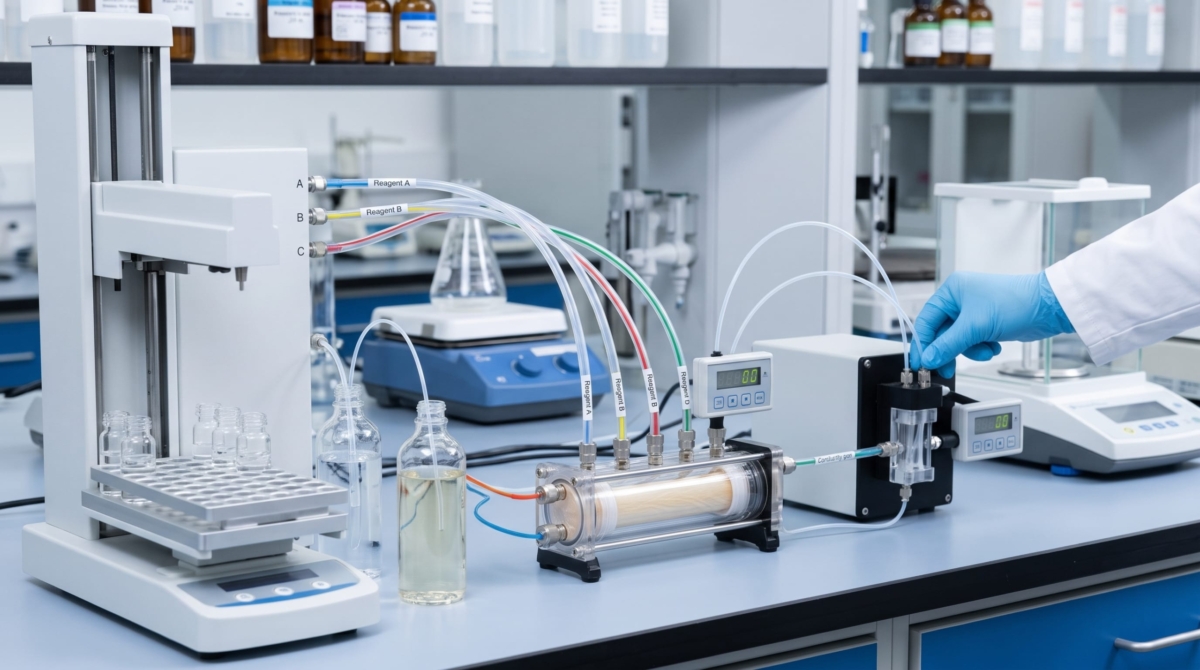
Wastewater labs face critical choices for ammonia analysis. Learn how to select a reportable ammonia method based on permit needs, sample matrix, and reagent burden.


Wastewater labs face critical choices for ammonia analysis. Learn how to select a reportable ammonia method based on permit needs, sample matrix, and reagent burden.
For wastewater QA, understand ammonia matrix spike recovery and LFB criteria. Learn acceptance limits and reporting impact for complex samples.
Understand ammonia reagent blank acceptance criteria for lab batches. Learn why high blanks stop a run, common contamination sources, and corrective actions for accurate ammonia analysis.
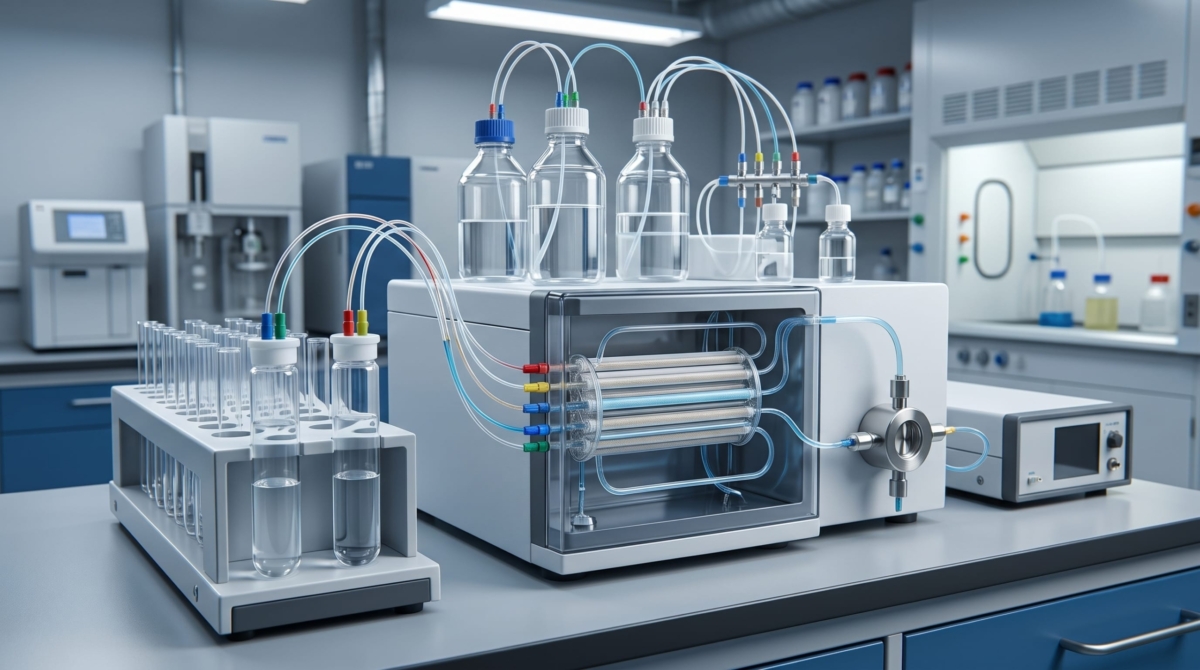
Build your ammonia ATP comparability study package for gas diffusion methods. Learn to design side-by-side analyses, select reference methods, and document matrix evidence.
Learn how to conduct an ammonia method detection limit (MDL) study for regulatory reporting. Follow 40 CFR 136 Appendix B for gas diffusion analyzers.
Drinking water labs researching EPA's Alternate Test Procedure (ATP) for ammonia. Understand SDWA requirements and method options for chloraminated samples.
Understand when an EPA alternate test procedure (ATP) is required for CWA wastewater ammonia reporting. Learn about 40 CFR 136.4 vs 136.5.
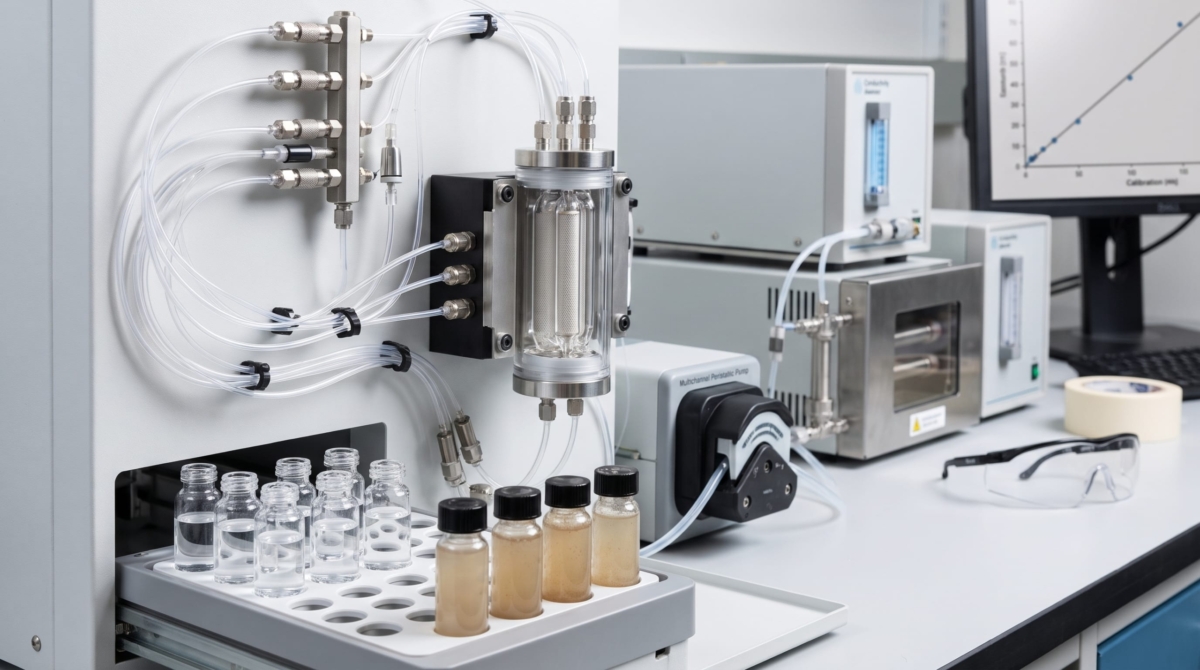
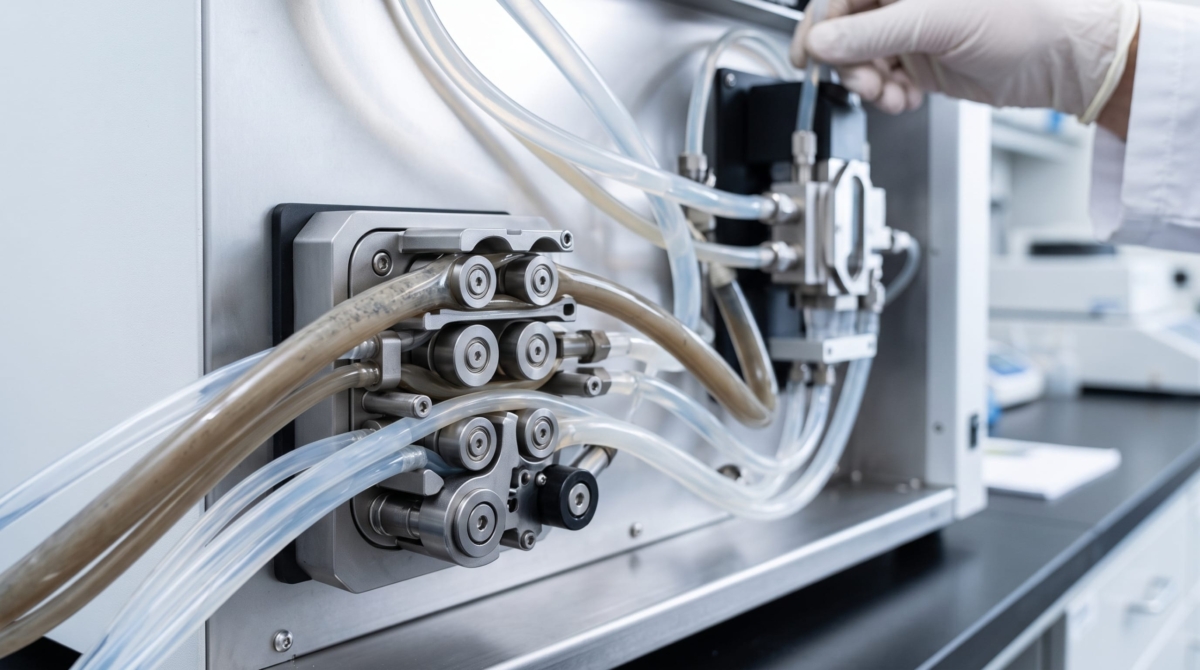
Explore the critical peristaltic pump design elements for ammonia analyzers. Understand how pump mechanics impact flow stability, reagent delivery, and data accuracy in your lab.
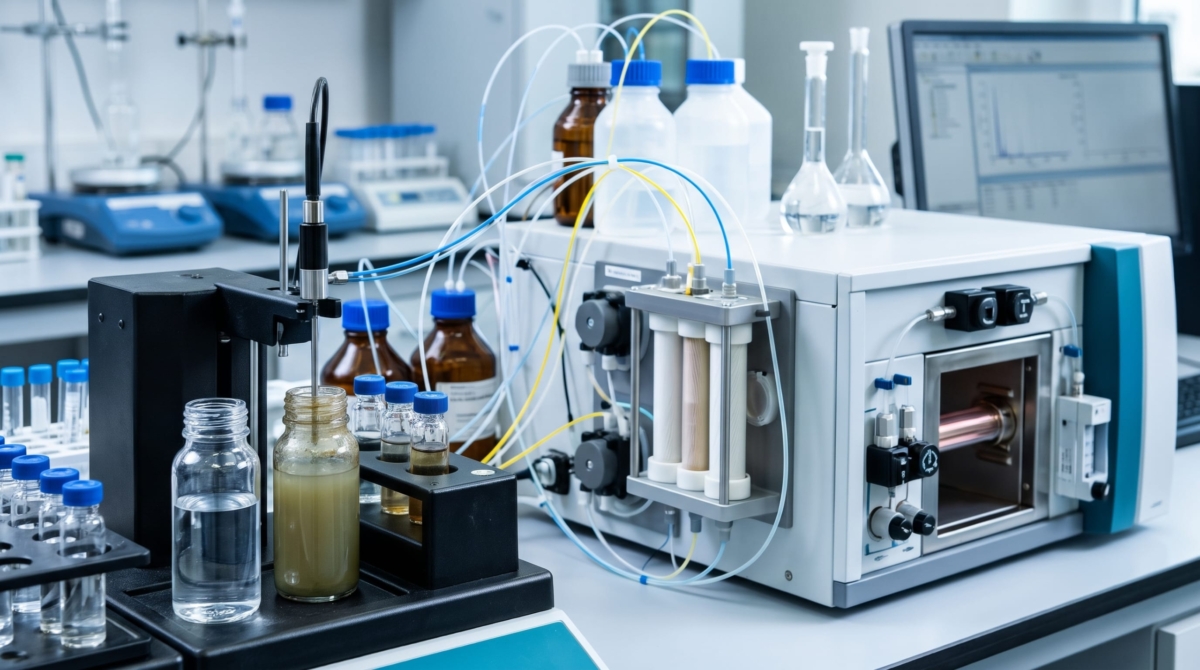
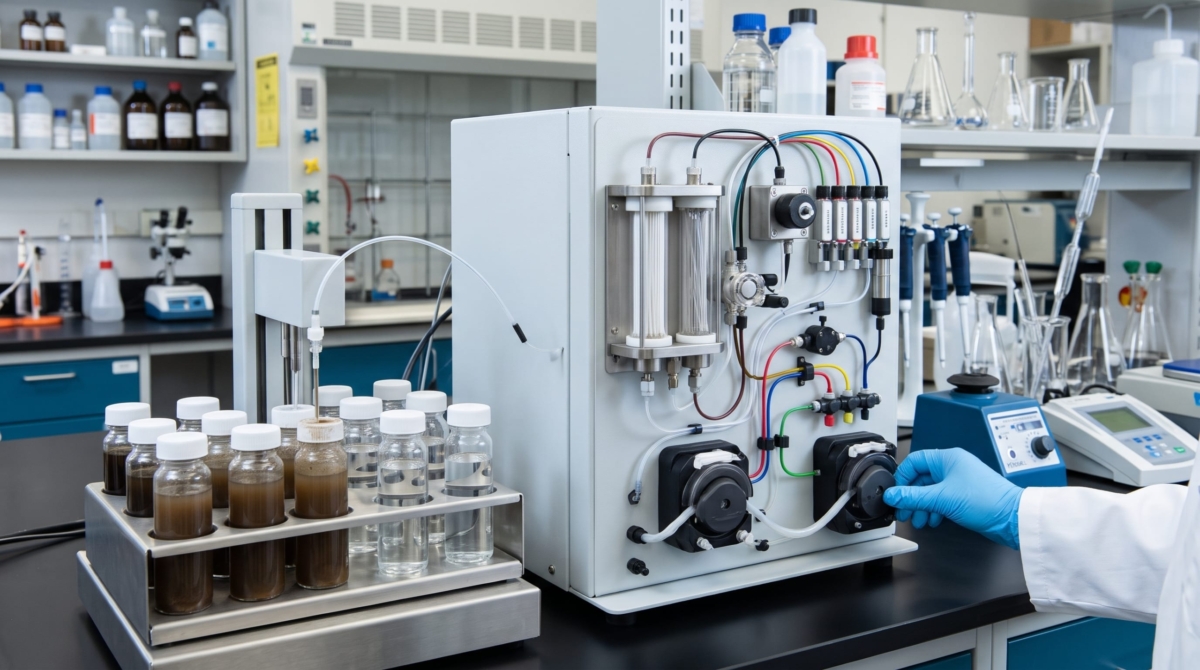
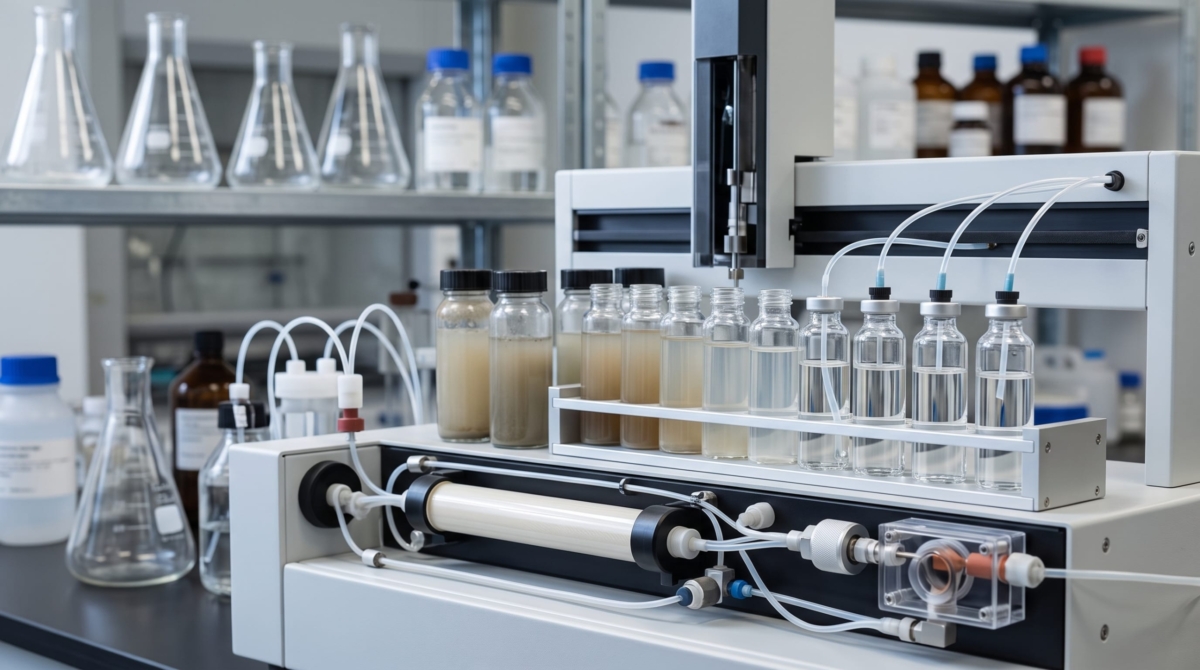
Suspended particulates can challenge ammonia analysis. Learn how ammonia analyzers manage solids to maintain accuracy, prevent fouling, and ensure reliable results in diverse matrices.
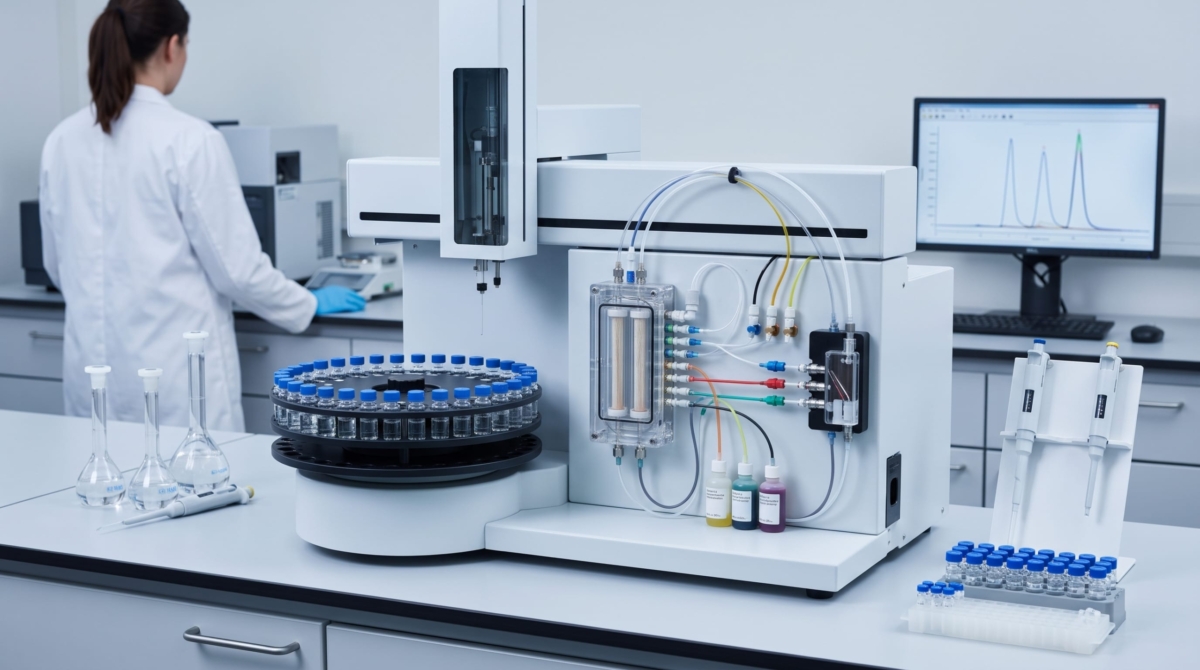
Minimize hazardous waste in lab ammonia testing. Learn how efficient analytical methods and systems like the Timberline TL2800 reduce reagent use, improve safety, and enhance lab throughput.