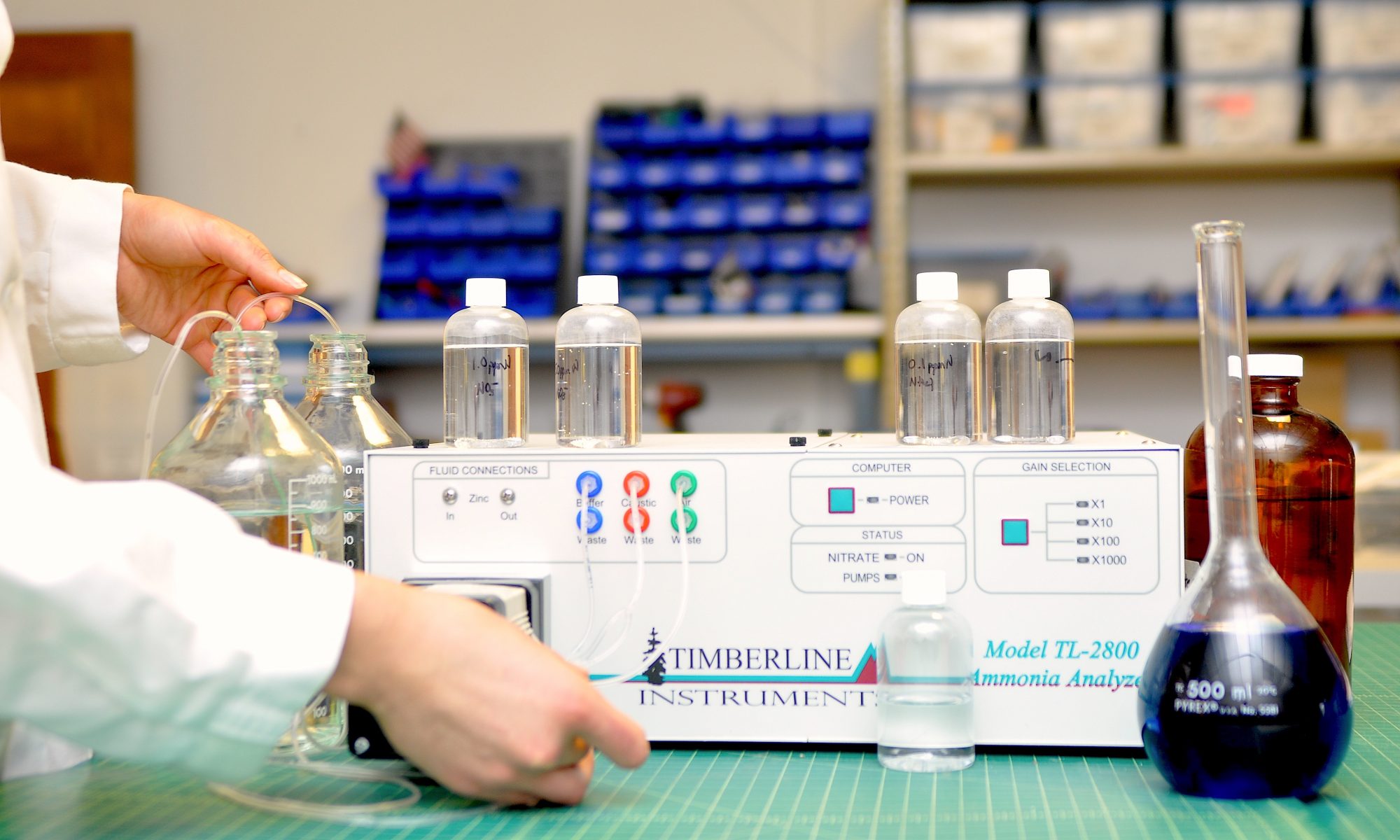
Articles and Informative content relating to the TL-2800 ammonia analyzer.
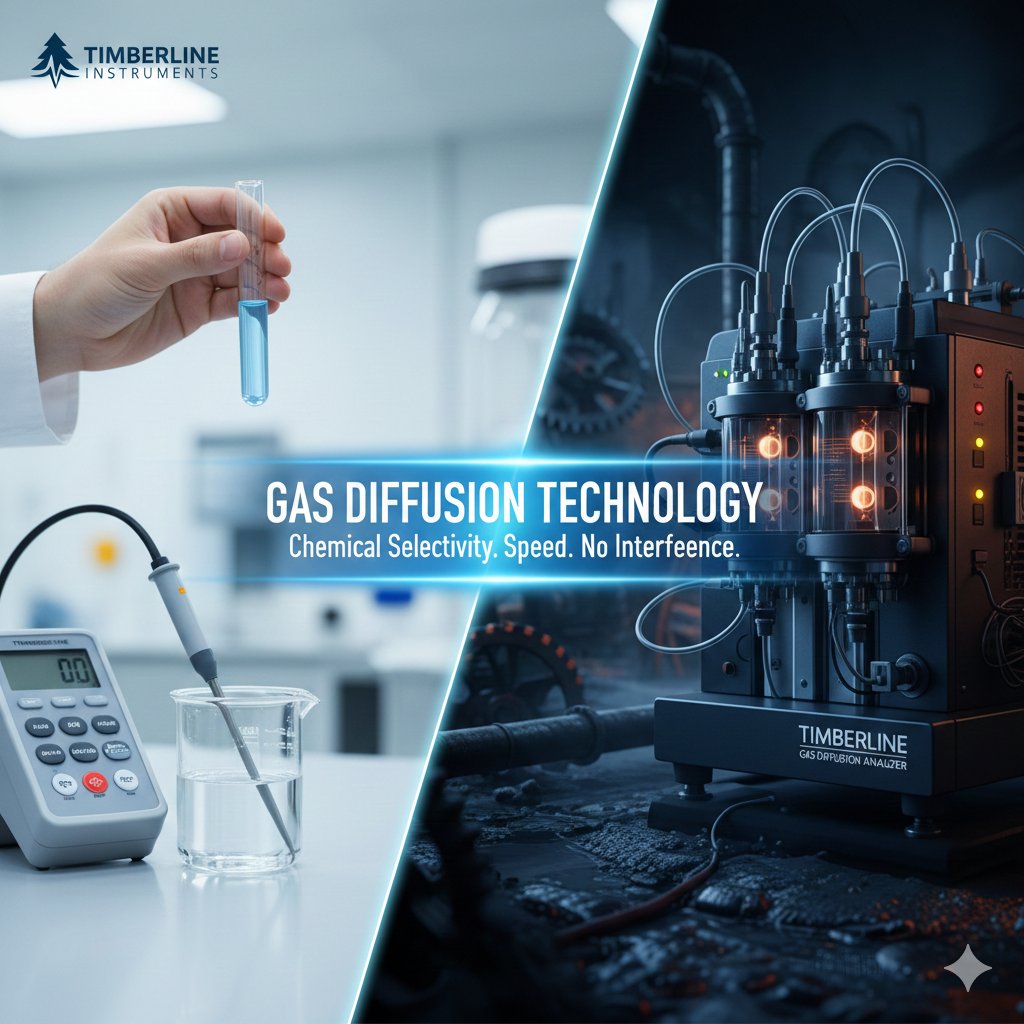
Gas Diffusion Technology: The “Dirty” Sample Solution

By |2026-03-08T21:39:42-06:00January 9th, 2026|

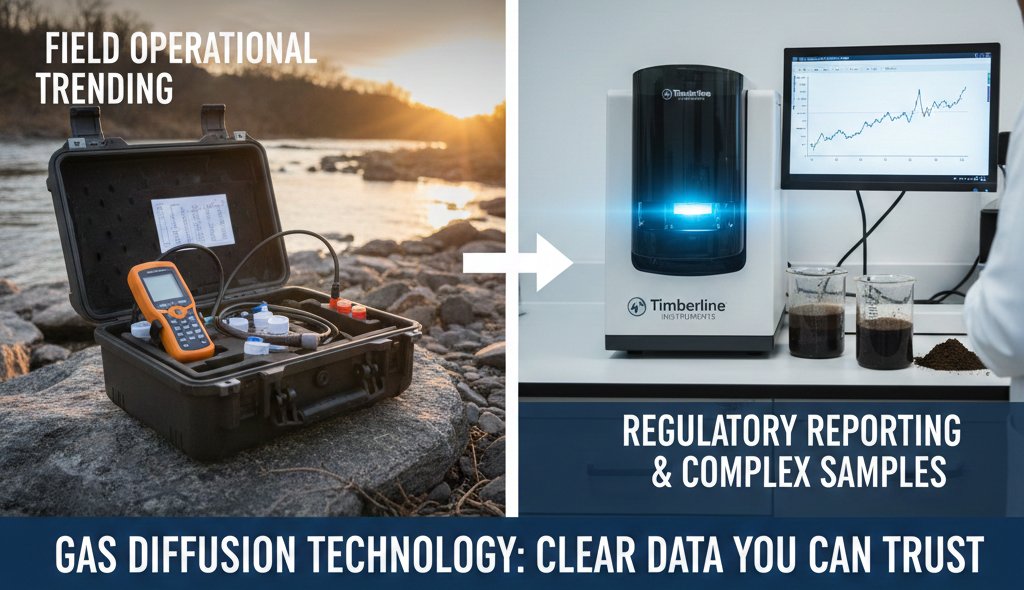
Gas Diffusion Technology: A Deep Dive into High-Performance Ammonia Analysis For decades, laboratory scientists have searched for the "holy grail" of ammonia measurement. The ideal solution needs to be fast, fully automated, and—most importantly—immune to the interference caused by dirty, complex, and variable samples. In the real world, water is rarely just [...]
Ammonia Analyzer Basics: The Complete Lab Guide

By |2026-03-08T21:39:37-06:00January 5th, 2026|

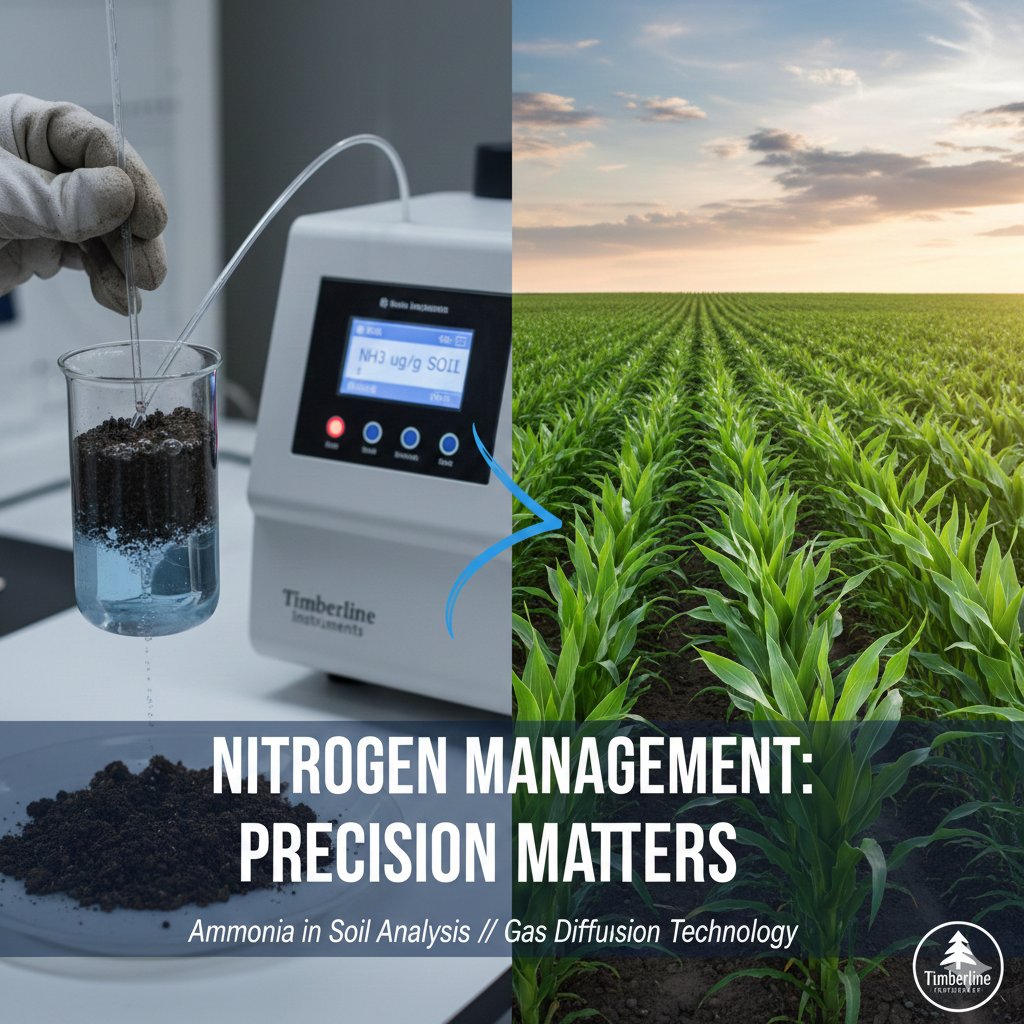
Ammonia Analyzer Basics: The Complete Guide to Laboratory Ammonia Testing In the intricate world of environmental science and industrial process control, few parameters are as critical—or as tricky—as ammonia. Understanding the levels of ammonia in water and soil is a daily necessity for scientists, environmental engineers, and wastewater treatment operators. From ensuring [...]

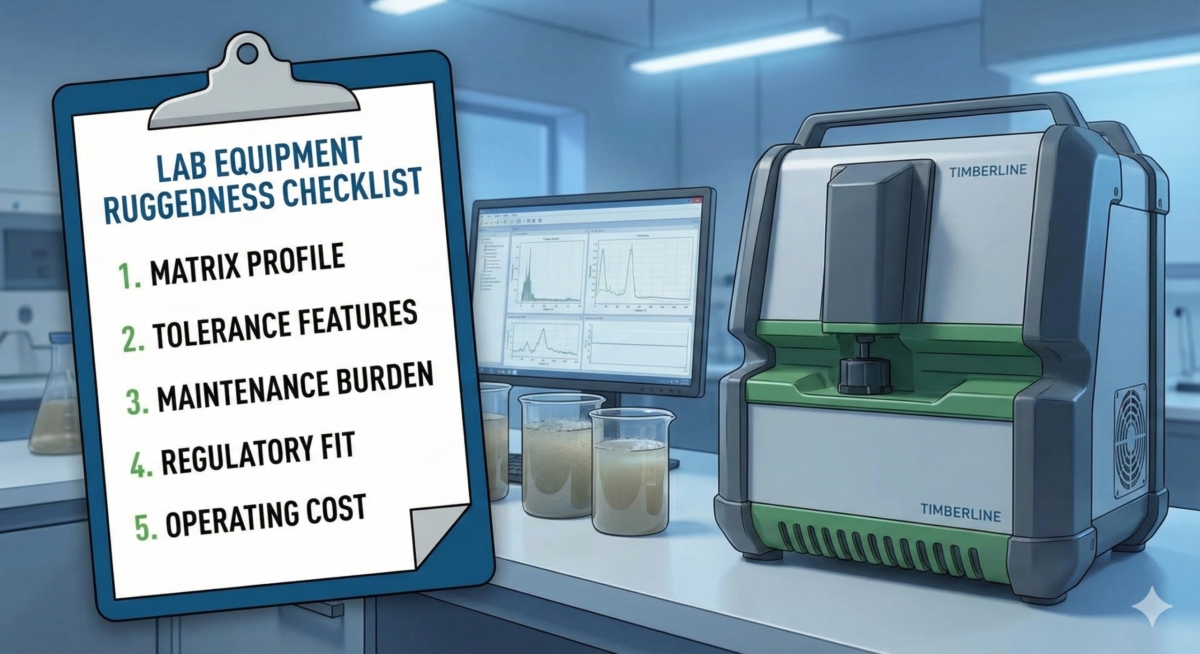
Selecting Instruments for Environmental Labs

By |2026-03-08T21:39:10-06:00December 26th, 2025|

A Buyer’s Guide to Selecting Environmental Testing Equipment Environmental testing laboratories operate on the front lines of public health and ecological safety. They are tasked with analyzing an incredibly diverse range of samples, from the pristine purity of finished drinking water to the complex, hazardous mixtures found in industrial sludge and wastewater. [...]

Nitrogen Analysis Equipment for Agronomy

By |2026-03-08T04:03:48-06:00December 24th, 2025|

Nitrogen Testing Equipment for Agronomy: From Field Kits to Lab Analyzers The stakes in modern agriculture have never been higher. While synthetic nitrogen fertilizers have driven massive gains in crop yield, they are also a primary source of environmental issues like groundwater nitrate contamination, eutrophication, and nitrous oxide emissions. To balance productivity [...]

Nutrient Analysis Methods for Water

By |2026-03-08T21:39:03-06:00December 22nd, 2025|

Nutrient Analysis in Water: A Guide to Laboratory Methods Nutrient analysis in water is the cornerstone of effective environmental monitoring, focusing on the precise quantification of nitrogen and phosphorus species. This process is essential for evaluating water quality, helping scientists and regulators prevent ecological disasters such as eutrophication, harmful algal blooms, and [...]

Ammonia in Wastewater: Why Monitoring and Testing Are Critical for Treatment Plants

By |2025-11-27T19:37:08-07:00December 1st, 2025|

Ammonia Analysis Methods: A Complete Guide for Accurate Water Quality Testing Ammonia in water appears in two forms: ionic ammonium (NH₄⁺) and gaseous ammonia (NH₃). Both forms directly influence water quality testing, affecting drinking water safety, aquatic environments, and wastewater compliance for regulatory discharge standards. Because ammonia can become toxic to fish, [...]

Ammonia in Water Analysis: Guide to Accurate Testing

By |2025-11-27T19:34:56-07:00November 29th, 2025|

Ammonia in Water Analysis: A Complete Guide for Accurate Water Quality Testing Ammonia in water analysis is essential for understanding water quality and maintaining compliance with environmental and health regulations. As a common pollutant from agriculture, industry, and natural processes, ammonia can significantly impact aquatic ecosystems and human health if not properly [...]

Ammonia Analysis Methods: A Guide to Water Quality Testing

By |2025-11-27T19:32:56-07:00November 27th, 2025|

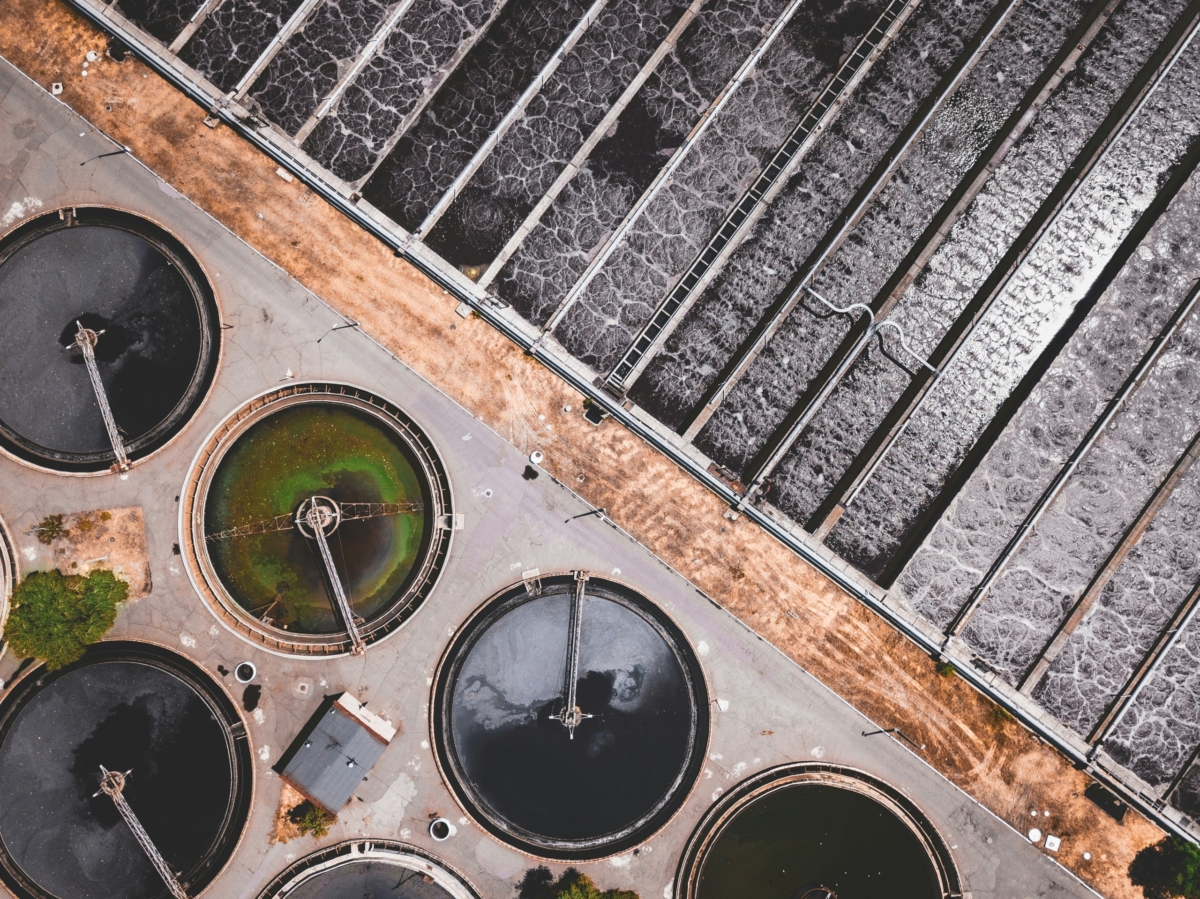
Ammonia in Wastewater: Why Monitoring and Testing Are Critical for Treatment Plants Ammonia in wastewater is one of the most important pollutants that treatment plants must remove. It is toxic to fish and aquatic life, drives algae growth, and can cause major compliance issues if levels are too high. Because of this, [...]

The TL-2800 in Wastewater

By |2025-02-18T21:39:03-07:00January 16th, 2020|

Wastewater & Water  How does the TL-2800 benefit wastewater & water labs? On average, our users pay less than half on yearly maintenance costs using our instrument compared to other methods.  At 50 samples a day you would be spending less than $0.10 per sample. TKN and TN can be analyzed directly after [...]

Go to Top