
TL-2800 TRAINING & SUPPORT
Practical TL-2800 Training, From First Principles to Daily Operation
Build confidence in the analytical method, instrument setup, software, calibration, and routine care behind dependable ammonia and nitrate analysis.
Whether you are evaluating the TL-2800 or training a laboratory team, start with the complete operating picture, then see the analyzer run in real time.
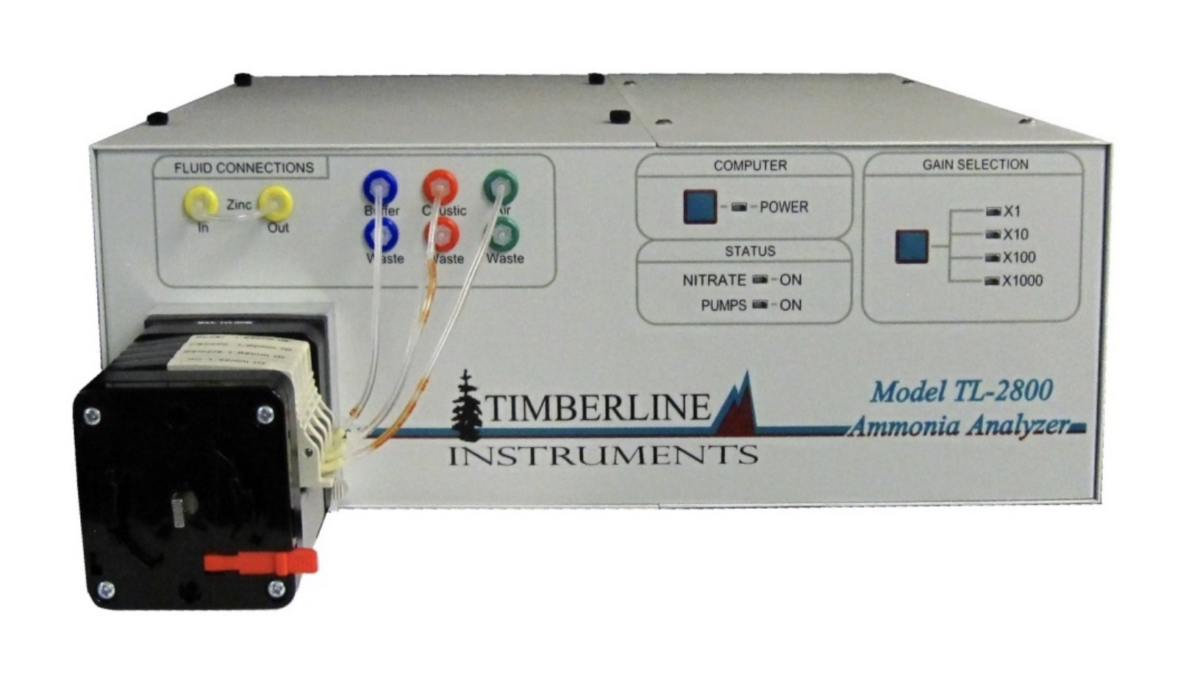
A Complete Learning Path for TL-2800 Users
Move from understanding the science to operating, calibrating, and caring for the analyzer with confidence.
1. Understand the Method
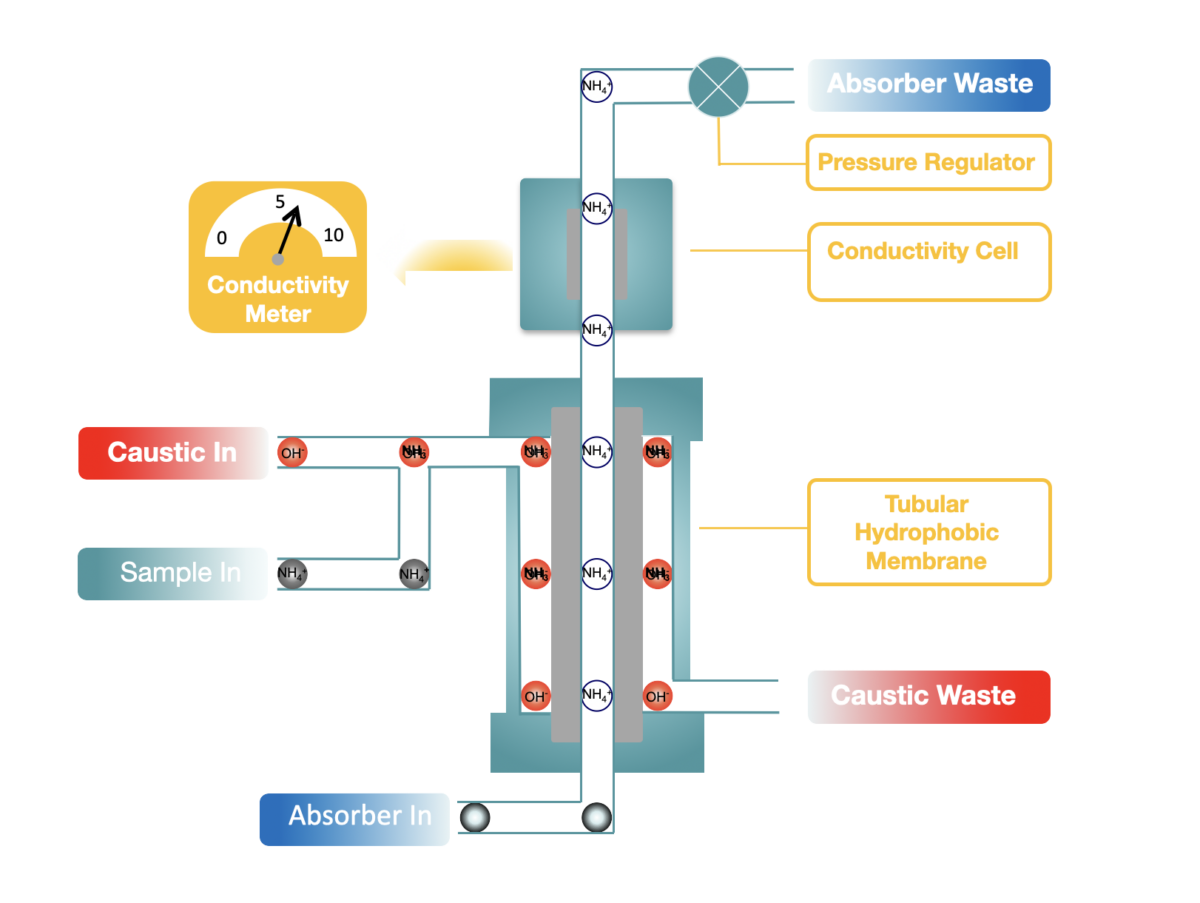
Learn how gas diffusion, a tubular hydrophobic membrane, and conductivity detection work together to measure ammonia.
2. Install and Prepare
Follow the operating flow from instrument connections and autosampler setup through reagent and standard preparation.
3. Operate the System
Understand run controls, timing parameters, sample sequences, real-time signals, and reported results.
4. Calibrate with Purpose
See how standards, calibration curves, gain selection, and verification support meaningful analytical results.
5. Interpret Your Data
Connect peak behavior, calibration fit, sample identity, and concentration reporting in one workflow.
6. Maintain Readiness
Recognize the signals that guide routine tubing, zinc cartridge, membrane, and shutdown care.
See the Analytical Method in Action
The TL-2800 separates ammonia from the liquid sample through a tubular hydrophobic membrane. The ammonia enters an absorbing stream, where the resulting change is measured by conductivity.
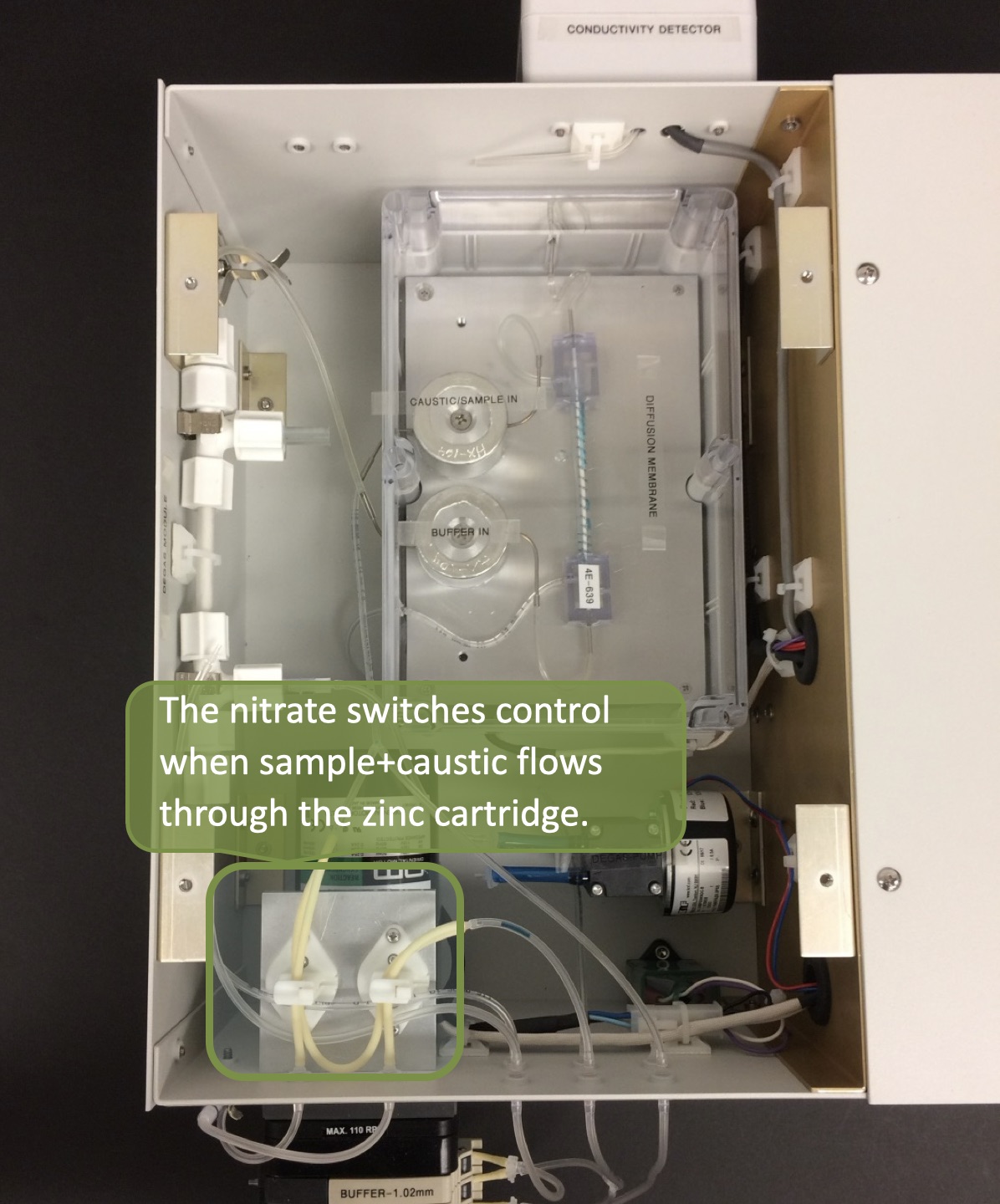
For nitrate analysis, the system uses zinc reduction and paired measurements to determine nitrate from the difference between the combined response and the direct ammonia result.
A live demonstration connects this theory to the fluid path, signal, and final result.
Understand What Is Happening Inside the Analyzer
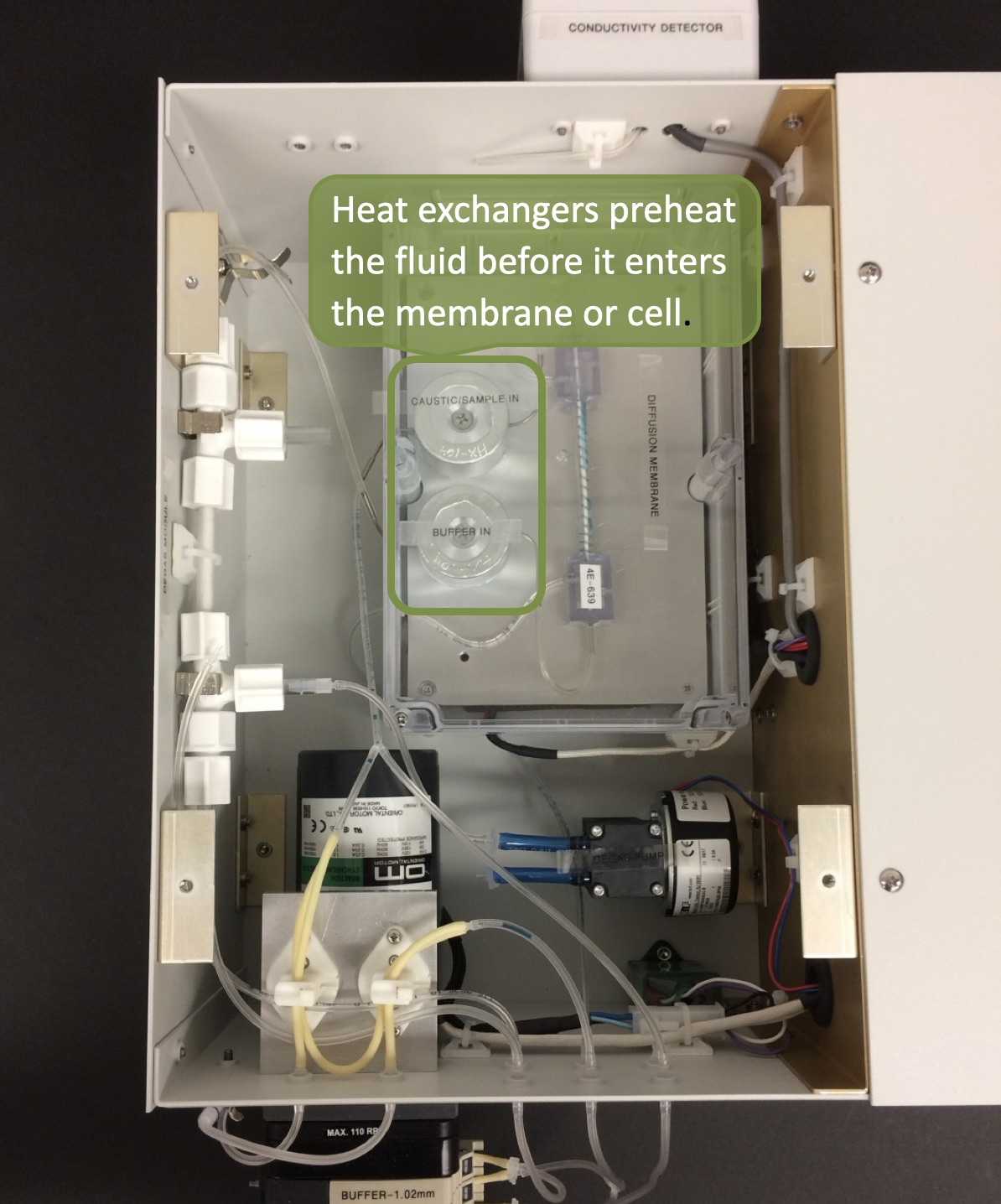
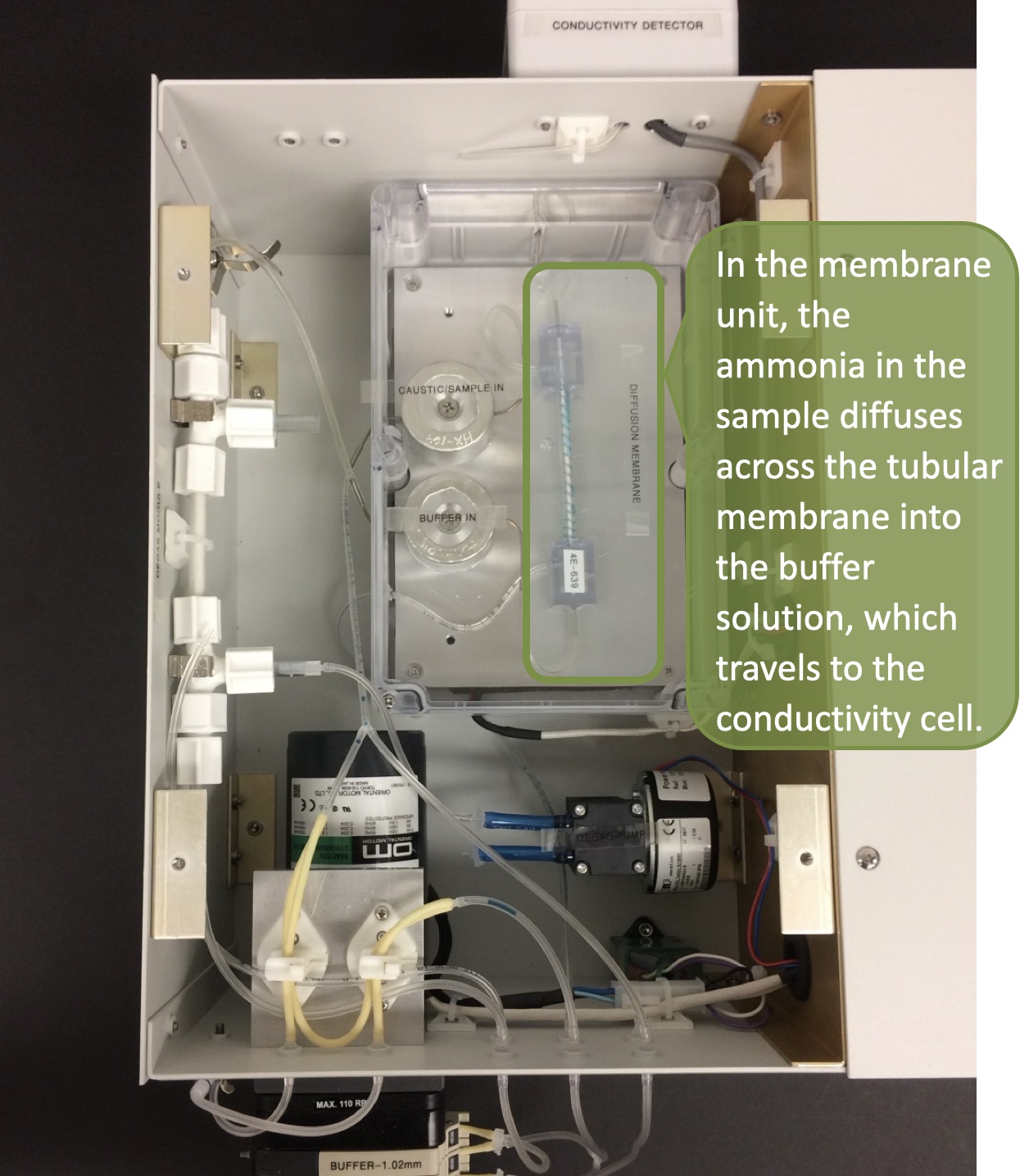
Follow the sample and reagent path through our proprietary training sequence: nitrate switches, degasser, heat exchangers, and membrane unit.
1. Nitrate switches
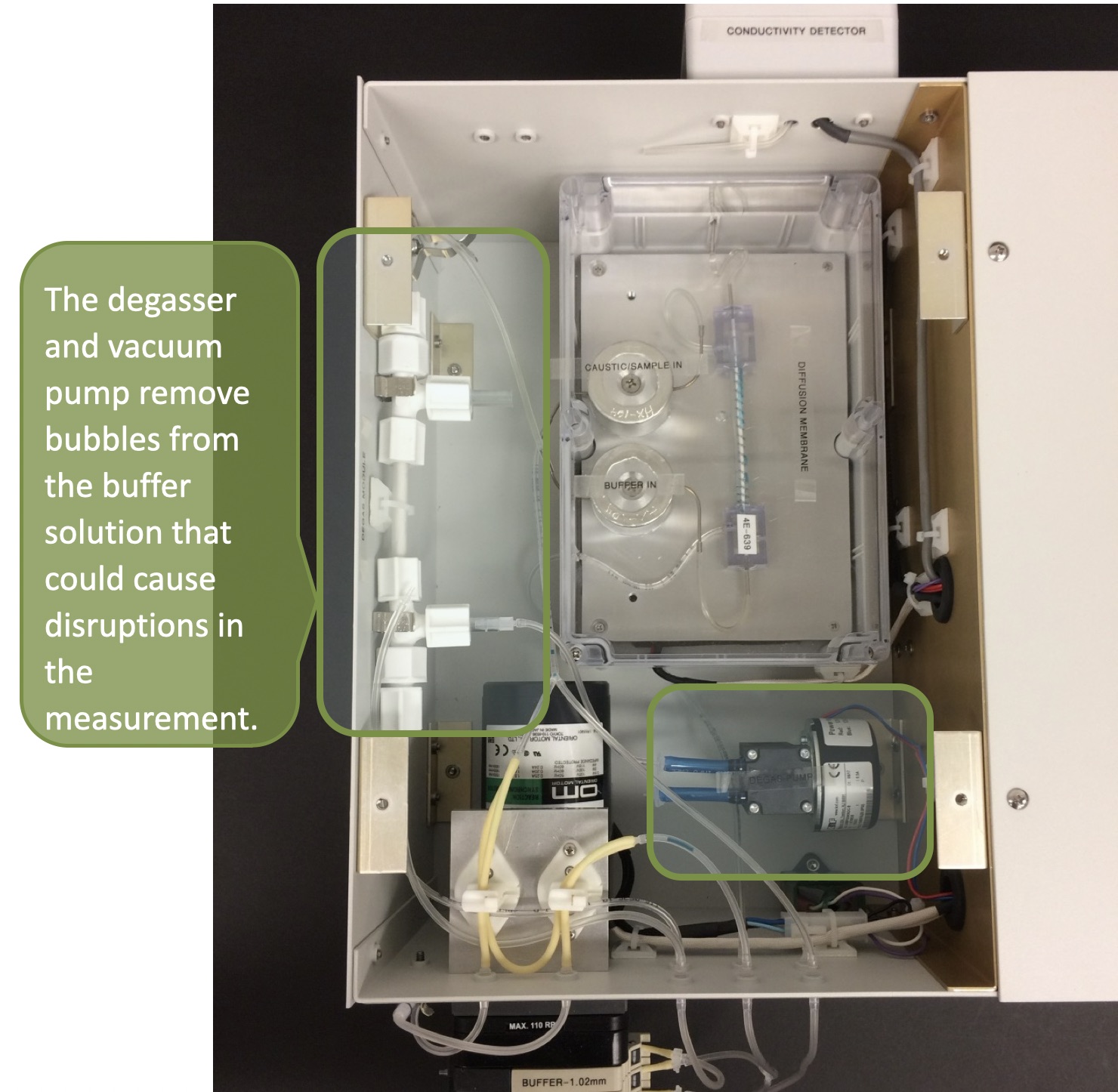
2. Degasser and vacuum pump
3. Heat exchangers
4. Membrane unit
From Sample Run to Usable Result
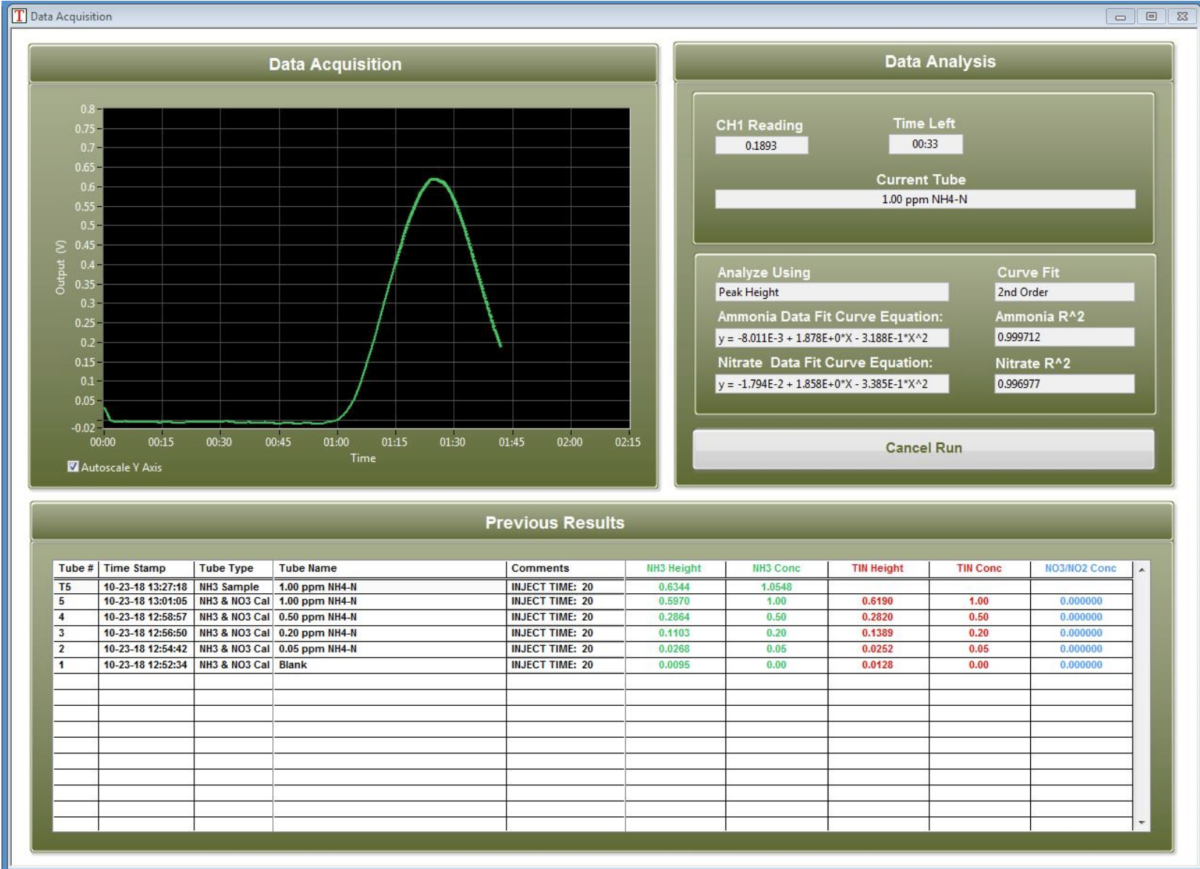
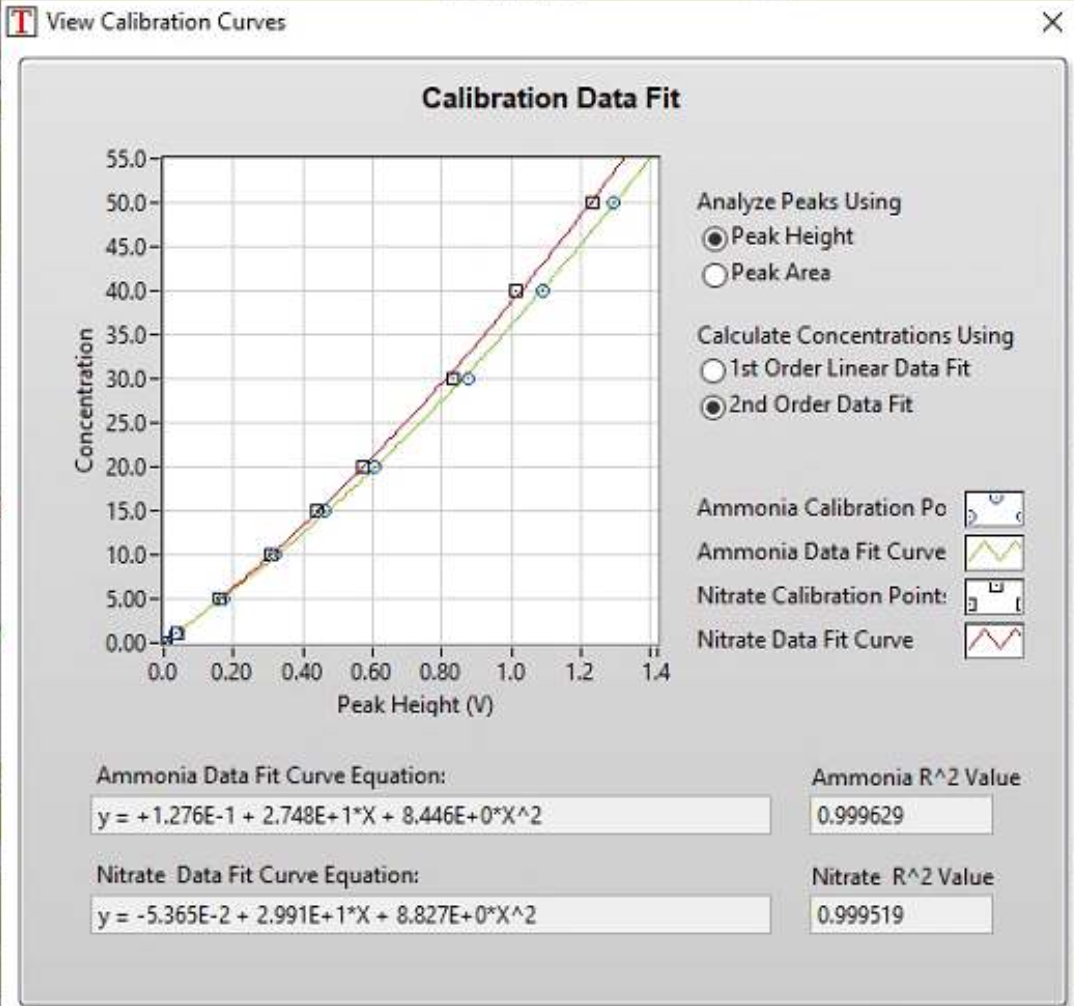
See how operators configure a run, monitor peak development, evaluate calibration, and review reported concentrations.
Acquisition and previous results
Calibration data fit
Train Your Team for Confident Routine Care
Learn to recognize changes in baseline quality, sensitivity, peak timing, and recovery. Participants are also taught the fluid paths involved in routine component care.
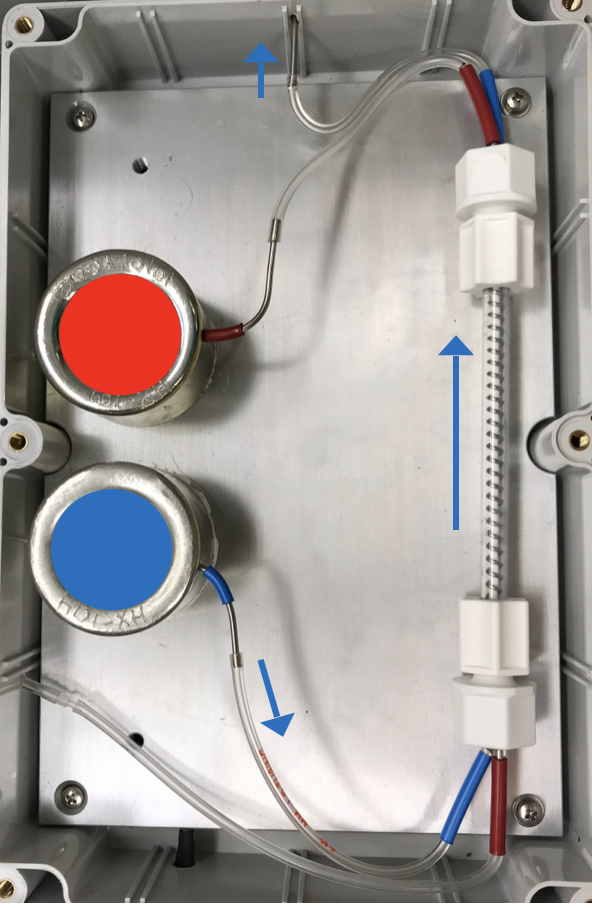
Sample, caustic, and waste flow path
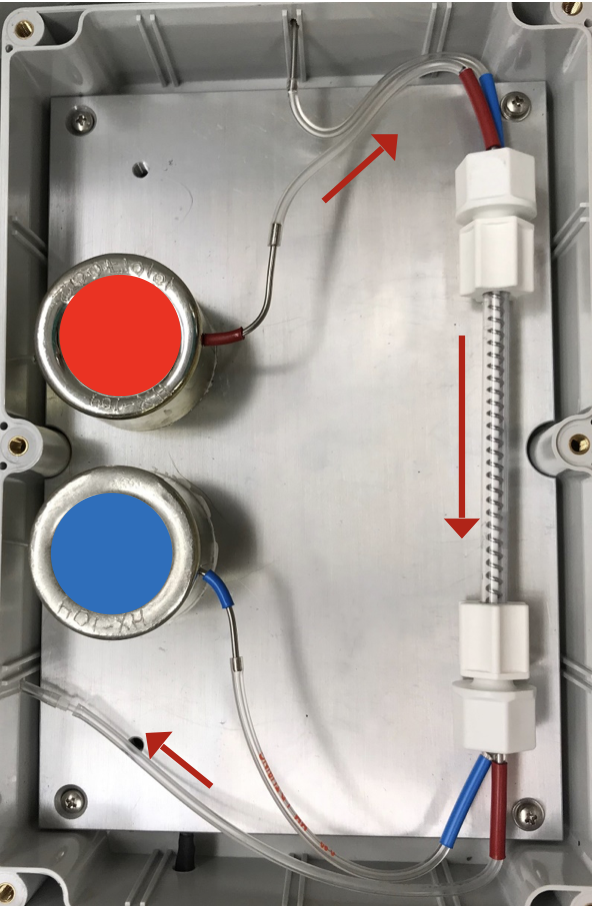
Buffer flow to the conductivity cell
Continue Learning
Explore technical articles covering the TL-2800 analytical method, operation, applications, calibration, and maintenance.
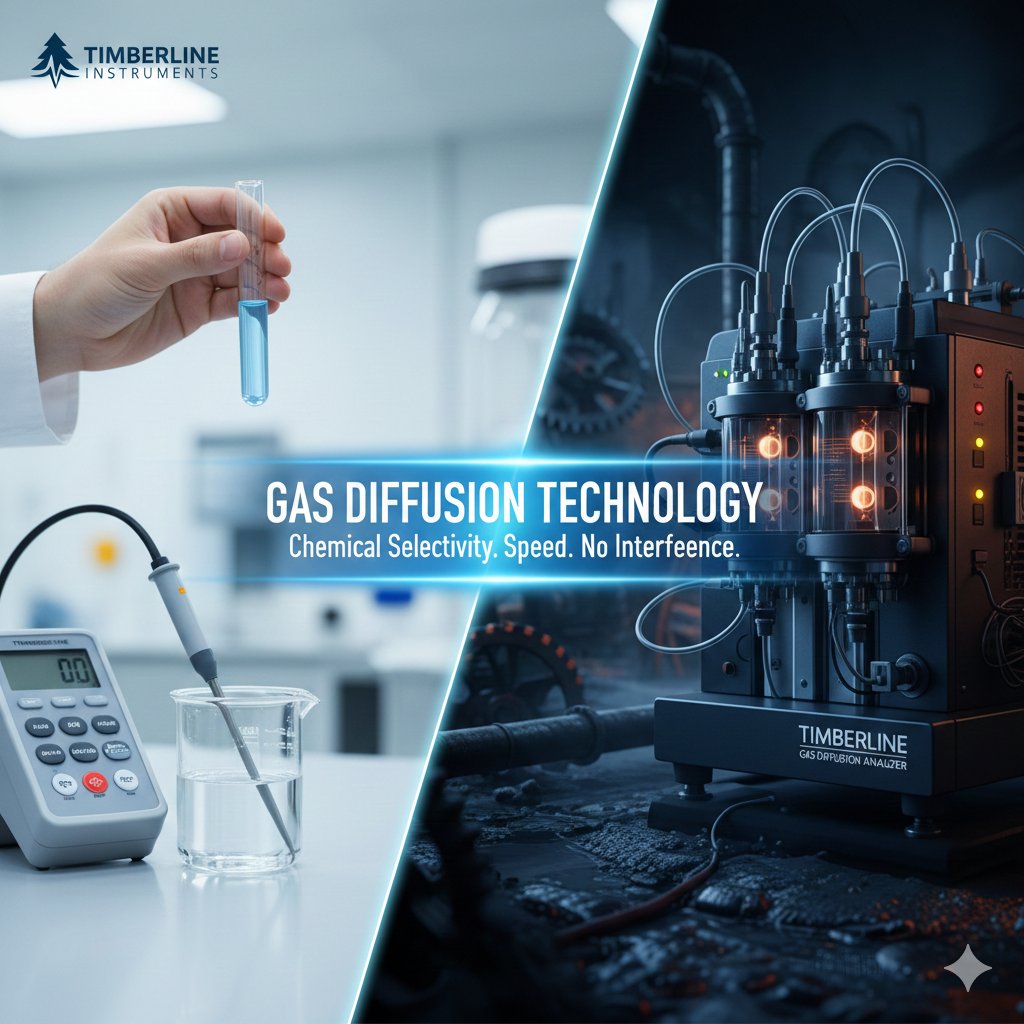
Gas Diffusion Technology: The “Dirty” Sample Solution
Gas Diffusion Technology: A Deep Dive into [...]
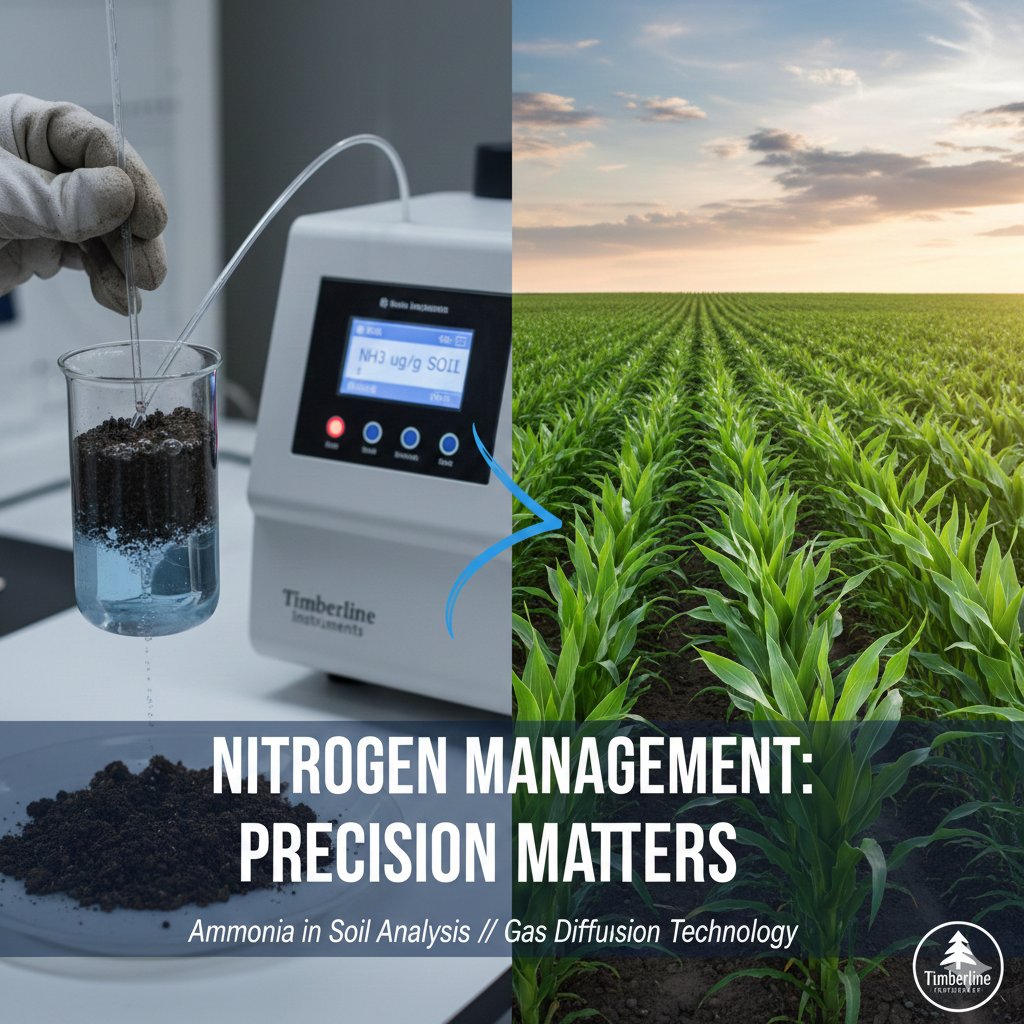
Ammonia in Soil Analysis: A Guide for Ag Labs
Ammonia in Soil Testing: A Comprehensive Guide [...]
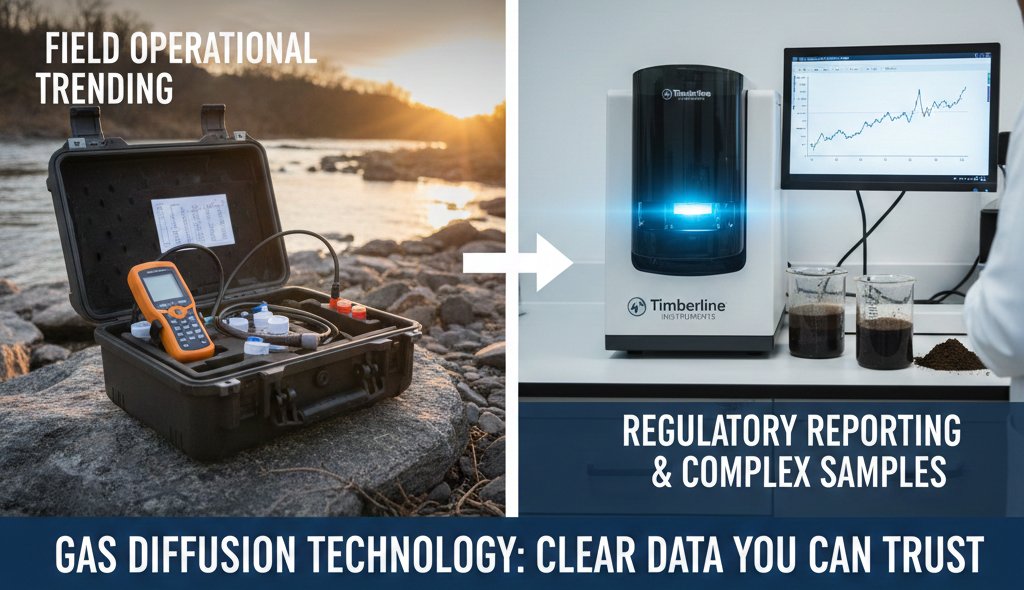
Ammonia Analyzer Basics: The Complete Lab Guide
Ammonia Analyzer Basics: The Complete Guide to [...]
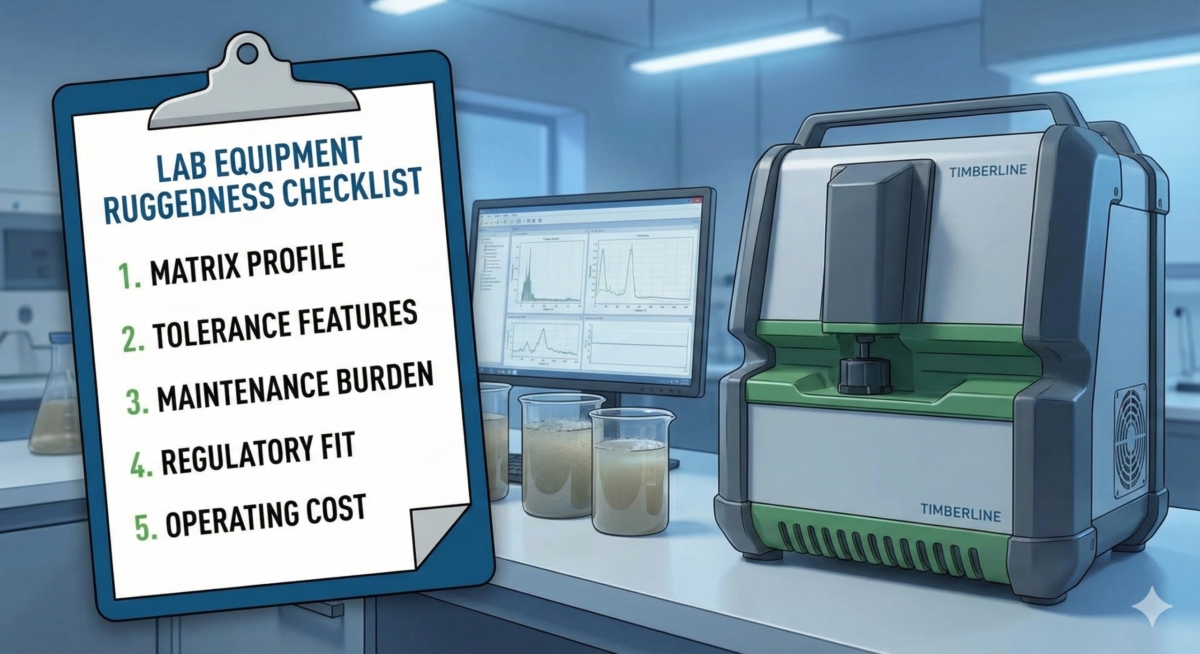
Selecting Instruments for Environmental Labs
A Buyer’s Guide to Selecting Environmental Testing [...]

Nitrogen Analysis Equipment for Agronomy
Nitrogen Testing Equipment for Agronomy: From Field [...]
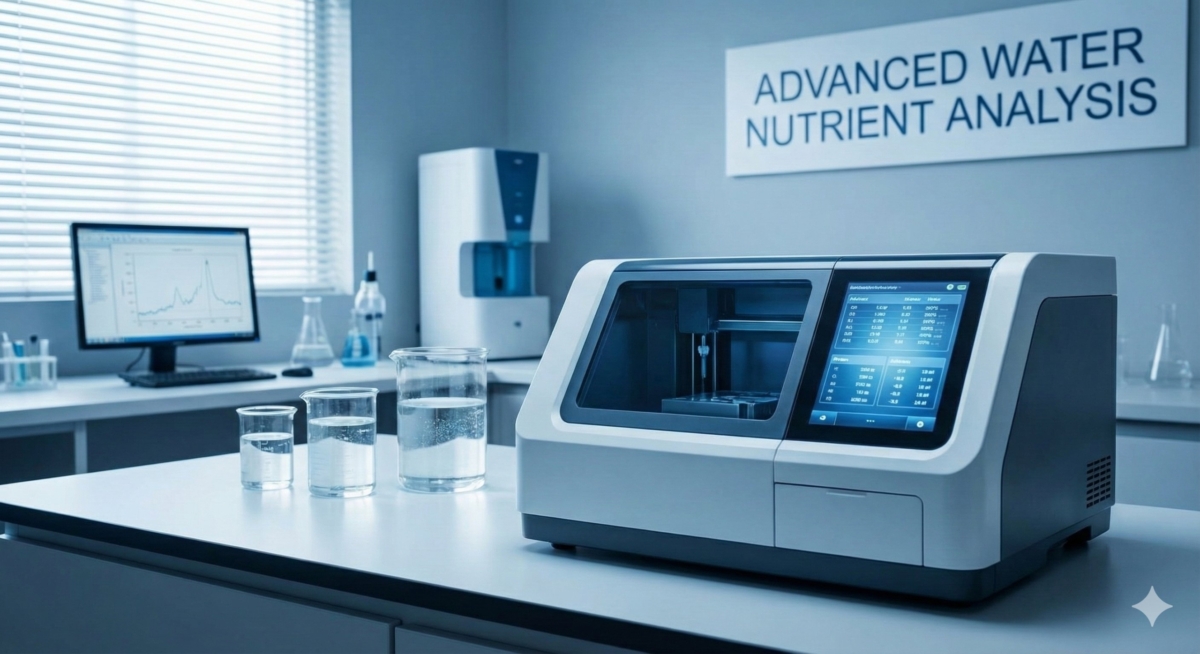
Nutrient Analysis Methods for Water
Nutrient Analysis in Water: A Guide to [...]